Nicotine, Biri, and the Great Bengali Bargain
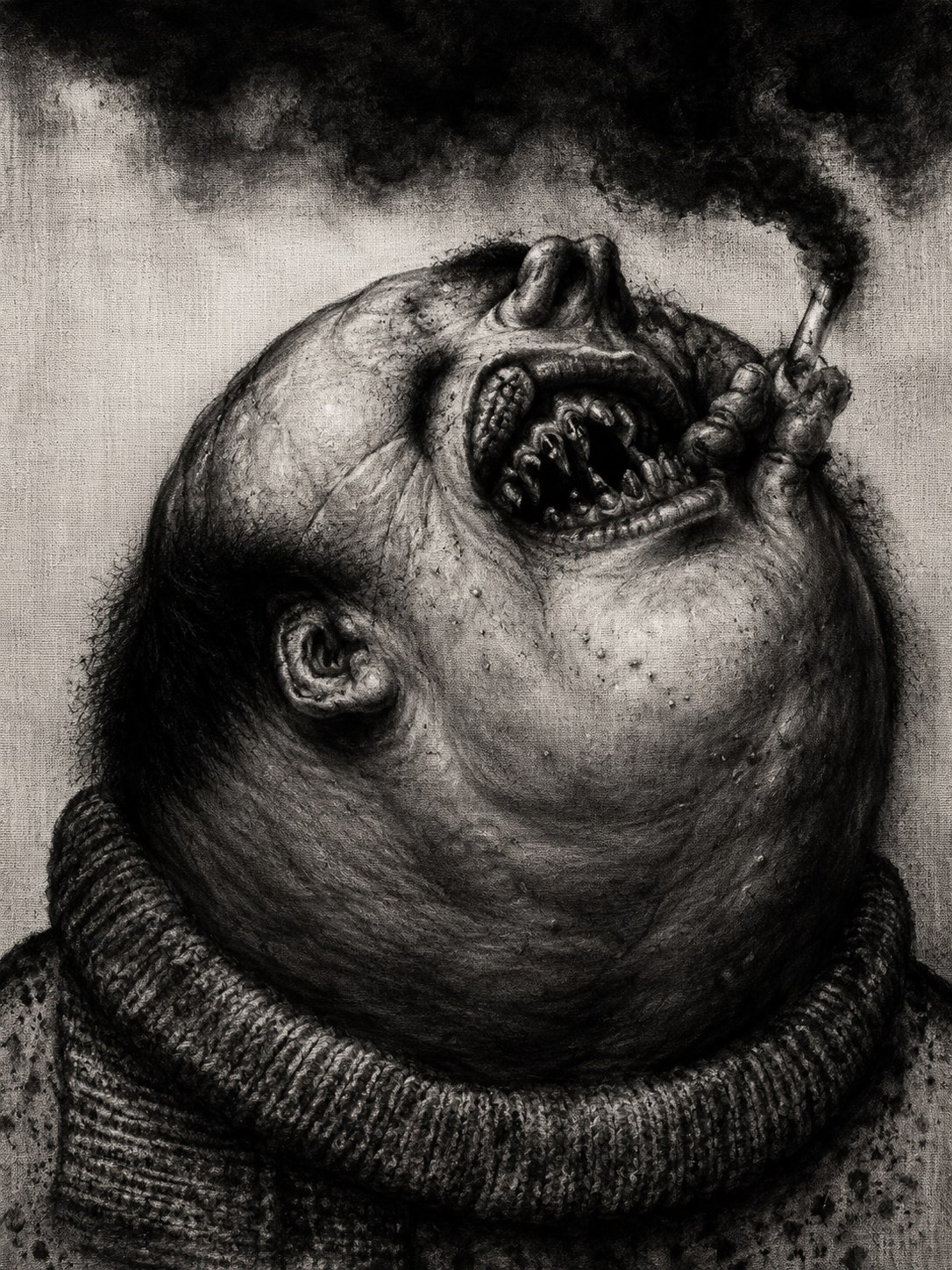
Acronym shelf: NRT means Nicotine Replacement Therapy, the controlled medical use of nicotine through products like patches, gum, lozenges, sprays, or inhalers to reduce withdrawal while quitting tobacco. ENDS means Electronic Nicotine Delivery Systems, the official public-health name for vapes and e-cigarettes that heat liquid into an aerosol carrying nicotine and other chemicals. WHO means World Health Organization, the United Nations public-health agency. CDC means Centers for Disease Control and Prevention, the United States public-health agency. FDA means Food and Drug Administration, the United States agency that regulates drugs, medical products, and tobacco products.
Nicotine is not made harmless by changing its costume from cigarette smoke to biri smoke, vape mist, khaini pinch, zarda paan, gutkha sachet, nicotine pouch, patch, or gum; it merely becomes a smaller thief entering through a different door.
This is the part that gets lost in the tea-shop university of Calcutta, where every second man has a theory, every third man has acidity, and every fourth man has both. The cigarette smoker feels superior to the biri smoker. The vape fellow feels superior to both. The nicotine pouch fellow looks at everyone with the soft arrogance of a man who thinks mint flavor has promoted him to science. And the patch-and-gum fellow, if he is using them properly to quit, may actually be doing the sensible thing. But if he has turned them into a permanent hobby, then the ladder out of the well has quietly become furniture.
That is the trick.
Biri first, because in Bengal the biri is not just tobacco. It is punctuation. It is comma, semicolon, sigh, pause, grievance, boredom, class marker, and weather report rolled into a brown leaf with a dangerous little fire at the end. The cigarette thinks it is a gentleman. The biri does not bother with such nonsense. It arrives cheap, harsh, democratic, and brutally efficient, like a local train at rush hour if the train were also trying to damage your lungs.
You think a biri is somehow more natural because it looks rustic. Leaf. Thread. Small bundle. No glossy packet. No foreign-film glamour. This is one of nature’s nastier jokes. A cobra also looks natural. That is not a recommendation.
A biri burns tobacco. Burning tobacco makes smoke. Smoke is the main disaster. It carries tar, carbon monoxide, fine particles, cancer-causing chemicals, and a great smoky wedding procession of irritation, inflammation, vascular injury, and long-term risk. The poor lung, which was designed for air, not for a miniature coal-fired power plant tucked between two fingers, receives this procession daily and says nothing at first. The body is polite that way. It sends small memos before it sends the final notice.
Then there is khaini.
Khaini is the stealthy one. A pinch of tobacco, lime, friction, ritual. Rub, fold, tuck. Done. No smoke. No smell strong enough to alarm the room. It has the social elegance of a secret. But the mouth knows. The gums know. The cheek knows. The blood vessels know. The cells lining the mouth, poor clerks in a badly run office, keep receiving chemical abuse and are expected to file everything neatly.
They do not always manage.
Zarda paan, gutkha, paan masala with tobacco, gul rubbed on gums, snuff pulled into the nose, all belong to this same family of small local negotiations with harm. Each has a story. Each has a texture. Each has a vendor who knows your brand. Each has a memory attached to it: after lunch, after tea, after a fight, before the bus, during a slow afternoon when the fan makes more noise than wind and the news on the phone announces another global crisis as if your electricity bill were not crisis enough.
I say this not from a mountain peak of virtue. I am a fifty-one-year-old Bengali man in the swampy, shanty boondocks of Calcutta, built less like a Greek statue and more like a successful luchi. I know the body becomes a committee after fifty. The knee has objections. The belly has expansion plans. Sleep comes with legal conditions. The mind, especially when anxiety and depression keep their own private office hours, looks for quick relief wherever it can find it.
Nicotine understands this weakness beautifully.
That is why it is so good at its job.
It does not come saying, “Hello, I am here to narrow your blood vessels, train your brain, annoy your lungs, stain your teeth, inflame your mouth, and make you pay for your own captivity.” No. It comes like a friend. It says, “Just one.” It says, “After tea.” It says, “Today was difficult.” It says, “You can quit later.” It says, “At least this is not whisky.” It says, “At least this is not heroin.” Nicotine is a master of comparison shopping.
The body does not shop that way.
The body adds.
One biri plus ten years. One khaini habit plus high blood pressure. One zarda paan routine plus irritated gums. One vape plus a young lung that did not ask to become a chemistry experiment. One nicotine pouch plus a brain being trained to expect comfort in tiny minty payments. One patch used properly to quit smoking is medicine. One patch used indefinitely because life is irritating is a different story.
Not the same risk. Same trap.
That distinction matters. A patch or gum used as NRT is far safer than smoking because it avoids combustion. Combustion is the grand villain. Fire turns tobacco into a chemical riot. NRT gives controlled nicotine without the smoke. For a smoker trying to quit, it can reduce cravings and improve the odds. That is not small. That is a bridge, and bridges matter when the river is full of crocodiles.
But here is the little screw hiding under the carpet: safer is not safe, and useful is not harmless.
A pressure cooker is useful. You still do not wear it as a hat.
Vaping occupies the most modern corner of the confusion. It has lights, flavors, rechargeable confidence, and the tech-bro smell of false progress. The device looks clean. The smoke is not smoke, they say; it is vapor. This is meant to comfort you, as if renaming the thing has changed the thing. A debt called “financial wellness obligation” is still a debt. Vape aerosol can still carry nicotine and other harmful or potentially harmful substances. Nicotine is still addictive. The lungs are still being asked to host visitors who did not call first.
And nicotine pouches are having their own fashionable little moment. Tiny. Discreet. Tobacco-free, often. No spitting, no smoke, no ash. You can hide them in a meeting, on a bus, in a classroom, or while pretending to be a responsible adult. This is precisely what should make you suspicious. When an addictive product becomes easier to hide, it has not become morally improved. It has become administratively efficient.
Only this week, the WHO was again warning about loosely regulated nicotine pouches and youth addiction. That should not surprise anyone. The industry has always known how to follow the young nose. First glamour. Then flavor. Then convenience. Then identity. Then dependence. The old packet had a skull on it. The new packet has lifestyle lighting.
Same fishing rod. New bait.
Calcutta understands bait. Walk past a paan shop in the evening. The little sachets hang like festival flags. Red, green, silver, gold. A man asks for zarda the way another asks for coriander. Someone buys a biri loose. Someone buys a cigarette but only one, because one feels like self-control even when repeated twelve times. Someone says he has stopped smoking but now keeps a pouch tucked in his lip. Someone else says the doctor exaggerated. Someone says his grandfather smoked till ninety. Nobody mentions the five men who did not.
This is how memory cheats. Survivors give testimonials. The dead are bad at public relations.
The real enemy is not only the product. It is the ritual. Tea and biri. Bus stop and cigarette. After rice and zarda paan. Morning toilet and tobacco. Phone call and vape. Loneliness and pouch. Anxiety and gum. Writing and smoke. Anger and khaini. The habit attaches itself to the corners of the day until the day looks unfinished without it.
Remove the nicotine and suddenly ordinary time feels naked.
That is why quitting is not merely chemistry. It is carpentry. You have to rebuild the room.
You need something for the hand, something for the mouth, something for the five-minute pause, something for the insult you swallowed, something for the boredom after lunch, something for the evening when the sky over the southern fringe of the city turns that strange gray-pink color and you feel, for no obvious reason, that life has placed you in the waiting room and lost your file.
A lecture will not fix that.
A plan may.
Start by not lying. If you smoke biri, say you smoke tobacco. If you chew khaini, say you use smokeless tobacco. If you vape, say you use nicotine. If you use a pouch, say you use nicotine. If you use NRT to quit, say you are using medicine to escape. Words matter because addiction hides inside polite vocabulary.
Then separate emergency from vanity. If you smoke, quitting combustible tobacco is the urgent move. If NRT helps, use it properly. If you can, speak to a doctor, especially if you have heart disease, high blood pressure, diabetes, pregnancy, psychiatric medication, or any complicated health condition. If you use smokeless tobacco, do not comfort yourself with the absence of smoke. Mouth cancer does not require a chimney. If you vape but never smoked, do not pretend you are reducing harm. You may simply be installing a new dependency with better packaging.
The spherical Bengali, and I include myself in the geometry, faces an especially stupid bargain. Nicotine gives a small short-term reward and takes payment from systems already under pressure: heart, vessels, lungs, mouth, sleep, money, dignity, and the private machinery of self-command. Add belly fat, sugar, stress, poor sleep, bad air, fried snacks, long sitting, family worry, income uncertainty, and the great middle-aged Bengali habit of postponing medical reality until it kicks the door open, and the equation becomes less charming.
Still, one must not become theatrical. Not every user drops dead tomorrow. Not every product has identical risk. Not every nicotine gum is a catastrophe. This is not a sermon. It is arithmetic with flesh in it.
Biri is worse than its price suggests.
Khaini is not harmless because it is quiet.
Gutkha is not culture because it is common.
Zarda paan is not innocent because your uncle used it.
Vape is not clean because it has a battery.
Nicotine pouches are not wellness because they smell of mint.
Patch and gum are not toys because they sit in a pharmacy.
The cleanest sentence is still the hardest one: if you are not using nicotine, do not start; if you are using it, move toward stopping; if you are smoking, move first away from smoke; if you are using NRT, treat it as a bridge, not a retirement plan.
There is no need to hate yourself. Self-hatred is a poor medicine and an excellent trigger. But do not flatter the addiction either. Nicotine is not your friend, not your thinking aid, not your cultural inheritance, not your personality, not your reward for surviving another day in a city where the drains, buses, politics, prices, and weather all appear to have been designed by a committee of tired crows.
It is a hook.
And whether the hook is wrapped in biri leaf, cigarette paper, paan masala perfume, vape mist, mint pouch, gum, or patch, the hook has only one business.
It wants you to come back.